How to Find Your Personal Style in 6 Steps
Finding your personal style can feel surprisingly difficult. Many people spend years buying clothes they rarely wear, following trends that don’t suit them, or feeling like their wardrobe doesn’t quite reflect who they are.
By Tiana Gregory on June 19, 2026
Getty Images
Finding your personal style can feel surprisingly difficult. Many people spend years buying clothes they rarely wear, following trends that don’t suit them, or feeling like their wardrobe doesn’t quite reflect who they are.
The good news is that personal style isn’t something you’re born with. It’s something you develop over time through observation, experimentation, and a better understanding of what makes you feel comfortable and confident. The goal isn’t to copy someone else’s look. It’s to create a style that feels authentic to you.
If you’re unsure where to start, these six steps can help you discover a personal style that actually works.
Step 1: Look for patterns in what you already love
Before buying anything new, take a close look at your existing wardrobe. Identify the pieces you wear most often and feel best in. Pay attention to recurring details such as colors, fabrics, cuts, and silhouettes. You may notice that you consistently gravitate toward tailored pieces, neutral colors, relaxed fits, or classic basics.
These favorites often reveal more about your true style than your unworn clothes. Instead of focusing on what you think you should wear, focus on what you genuinely enjoy wearing. Your personal style is often already hiding in your closet.
Step 2: Collect inspiration thoughtfully
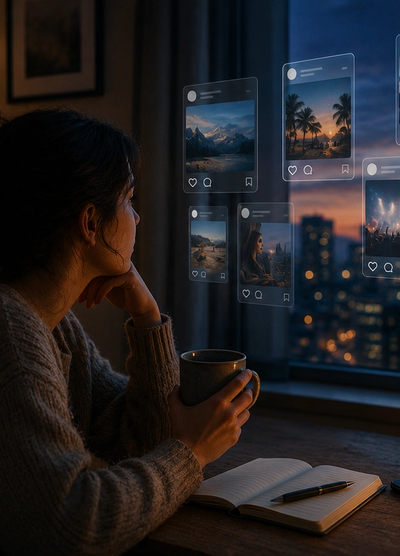
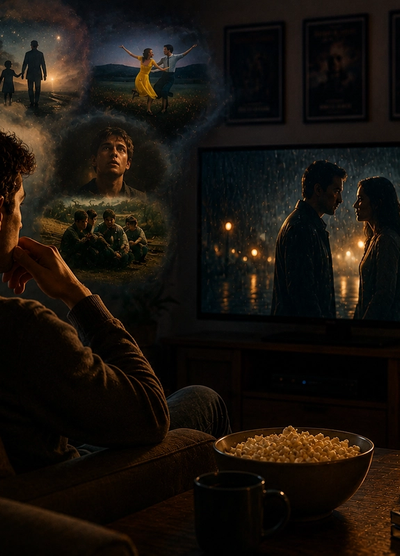
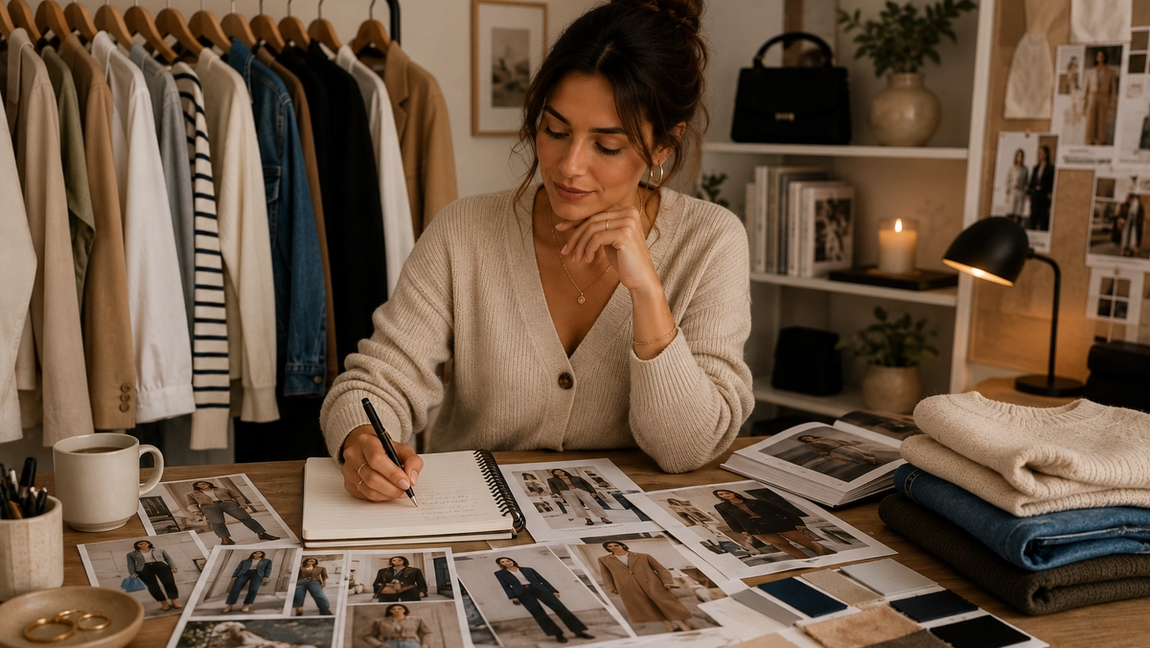
One of the easiest ways to understand your style preferences is to gather visual inspiration. Browse fashion websites, magazines, social media platforms, or even movies and television shows. Save images that immediately catch your attention without overthinking why.
After collecting several examples, look for common themes. You may notice recurring colors, shapes, textures, or overall aesthetics. This exercise can help you identify the styles you’re naturally drawn to and provide direction for future wardrobe decisions.
Step 3: Define how you want to feel
Many people focus on how they want to look, but how you want to feel is often more important.
Think about the words you’d like your style to communicate. Perhaps you want to feel confident, polished, creative, elegant, relaxed, approachable, or sophisticated. These qualities can serve as a guide whenever you’re deciding what to wear or what to add to your wardrobe.
When clothing aligns with how you want to feel, it becomes much easier to create a consistent personal style.
Step 4: Build around versatile basics
A strong personal style doesn’t require an entirely new wardrobe. In most cases, it starts with a collection of versatile pieces that work well together.
Well-fitting jeans, trousers, blazers, shirts, sweaters, dresses, or shoes that suit your lifestyle can form the foundation of countless outfits. Once you have reliable basics, you can gradually add items that express more of your personality through color, texture, or unique design details.
Having a solid foundation makes it easier to experiment without feeling like you need to reinvent your entire wardrobe.
Step 5: Experiment without pressure
Personal style develops through trial and error. Not every outfit will work, and that’s perfectly normal.
Allow yourself to try different combinations, colors, and silhouettes. You may discover that certain trends look great on others but don’t feel right for you. You may also find unexpected styles that become wardrobe favorites.
The goal isn’t perfection. It’s learning what makes you feel most like yourself. Every experiment, even the unsuccessful ones, provides useful information about your preferences.
Step 6: Focus on consistency, not trends
Trends come and go, but personal style is built through consistency. Once you’ve identified the colors, shapes, and pieces that suit you best, focus on refining them rather than constantly chasing what’s new.
This doesn’t mean avoiding trends altogether. It simply means using them selectively and incorporating only those that fit naturally with your existing style.
People with strong personal style are rarely the ones wearing every new trend. More often, they’re the people who know exactly what works for them and wear it confidently.
Your style should reflect you
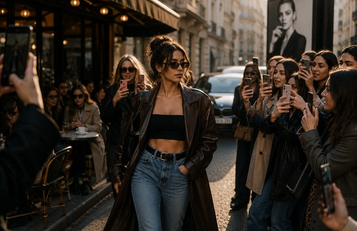
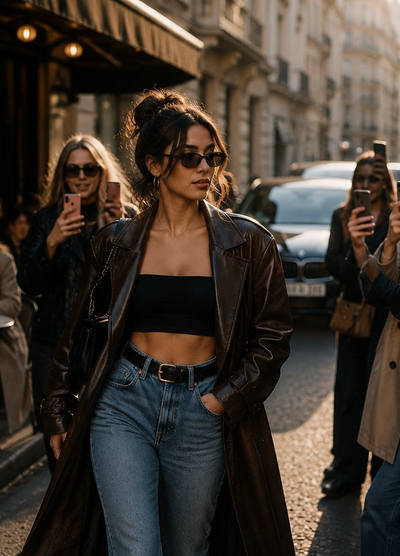
Personal style is not about dressing like an influencer, celebrity, or fashion editor. It’s about creating a wardrobe that reflects your personality, supports your lifestyle, and makes you feel comfortable in your own skin.
By paying attention to what you already love, gathering inspiration, defining how you want to feel, building strong basics, experimenting thoughtfully, and focusing on consistency, you can create a style that feels genuinely your own.
The best personal style isn’t the most fashionable. It’s the one that helps you feel confident, comfortable, and authentically yourself every time you get dressed.