Why Some Songs Feel Like a Memory
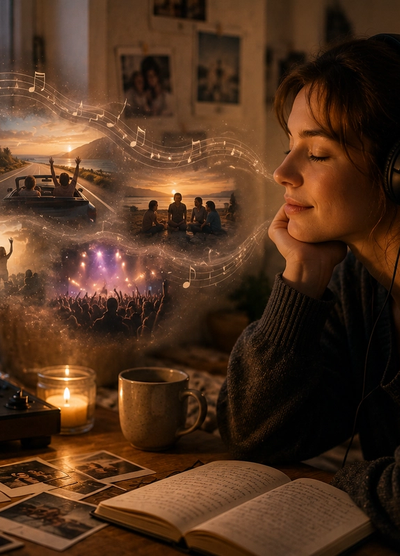
You hear a few notes of a song, and suddenly you’re somewhere else. Maybe you’re back in a childhood bedroom, sitting in the passenger seat during a summer road trip, or remembering a person you haven’t thought about in years. Sometimes a song can bring back memories so vividly that it feels less like listening to music and more like revisiting a moment in your life
By Noe Reyna on June 19, 2026
Getty Images
You hear a few notes of a song, and suddenly you’re somewhere else.
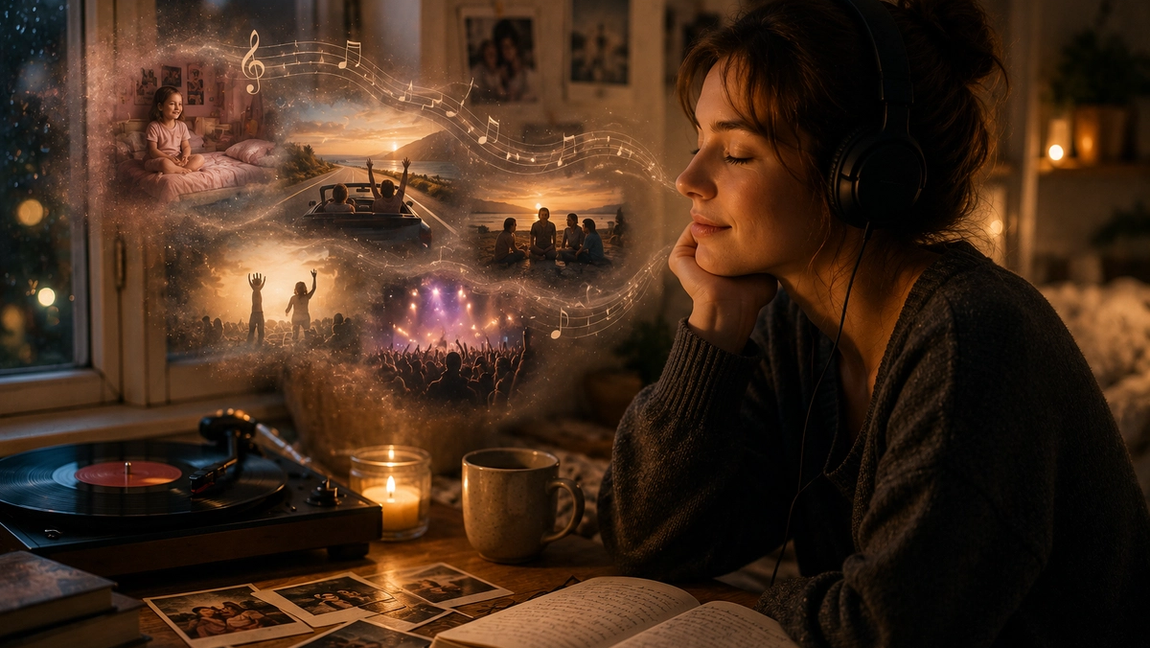
Maybe you’re back in a childhood bedroom, sitting in the passenger seat during a summer road trip, or remembering a person you haven’t thought about in years. Sometimes a song can bring back memories so vividly that it feels less like listening to music and more like revisiting a moment in your life.
This experience is incredibly common, and it’s one of the reasons music holds such a unique place in human culture. Songs don’t just entertain us—they become intertwined with our personal histories.
But why does music have this remarkable ability to feel like a memory?
Music and memory are closely connected
Scientists have long known that music activates multiple areas of the brain at the same time. Unlike many forms of information, music combines rhythm, melody, emotion, and often lyrics, creating a rich sensory experience.
Because of this, songs are particularly effective at becoming linked to specific events and emotions. When we hear a song during an important moment, our brains often store the music alongside the memory itself.
Years later, hearing that same song can reactivate those memories with surprising detail. It’s almost as if the music acts as a key that unlocks a particular moment from the past.
This connection helps explain why people can often remember songs they haven’t heard in decades.
Emotions strengthen musical memories
Not every song becomes meaningful. The ones that stay with us are usually connected to strong emotions.
A song playing during a first love, a graduation, a difficult breakup, a family celebration, or a memorable trip is more likely to become deeply embedded in memory. Emotional experiences tend to be remembered more clearly, and music often becomes part of those experiences.
Years later, hearing the same song can bring those emotions back almost instantly. We may not remember every detail of the event, but we often remember exactly how it felt.
That’s why certain songs can evoke happiness, nostalgia, sadness, excitement, or comfort within seconds.
Music becomes the soundtrack to our lives
Most people don’t consciously decide which songs will become important to them. It simply happens.
Music accompanies everyday life. It plays in cars, restaurants, stores, weddings, parties, movies, and headphones during ordinary moments. Over time, certain songs become associated with particular periods of life.
A song might remind you of high school, university, a specific relationship, or a city you once lived in. Even if the memory itself has faded, the music often remains connected to that chapter of your life.
In this way, songs become markers of time. They help us remember not only events but also who we were when those events occurred.
Nostalgia plays a powerful role
One reason older songs often feel especially meaningful is their connection to nostalgia.
Nostalgia is more than simply remembering the past. It’s an emotional experience that combines memory, longing, comfort, and reflection. Music is particularly effective at triggering this feeling because it can transport us back to another time so quickly.
A song from years ago may remind us of people, places, routines, and emotions that no longer exist in the same way. The music becomes a bridge between our present selves and earlier versions of who we were.
That’s why hearing an old favorite can sometimes feel unexpectedly emotional.
Songs can capture feelings words cannot
Another reason music feels so memorable is that it often expresses emotions that are difficult to describe.
A melody, harmony, or vocal performance can communicate feelings in ways that language sometimes cannot. Certain songs seem to capture specific moods, experiences, or emotional states perfectly.
When we find music that reflects how we feel, we often form a strong personal connection to it. The song becomes more than entertainment—it becomes part of our emotional landscape.
Years later, hearing it again can reconnect us with those same feelings.
Everyone has their own soundtrack
One of the most fascinating things about music is how personal it is.
The same song can mean completely different things to different people. One person may associate it with a joyful memory, while another connects it to heartbreak or a significant life transition.
This is because the power of music comes not only from the song itself but also from the experiences we attach to it.
Our favorite songs often become woven into our personal stories, carrying pieces of our lives within them.
Why music stays with us
Many experiences fade over time, but music has an unusual ability to preserve emotions and memories.
A photograph may remind us of what happened. A song often reminds us how it felt.
That’s why certain songs can instantly transport us to another place and time. They reconnect us with people we’ve loved, moments we’ve lost, and versions of ourselves we may have forgotten.
In the end, some songs feel like memories because they are memories. They become part of the soundtrack of our lives, carrying emotions, experiences, and stories long after the moments themselves have passed.