Why We Keep Romanticizing the Past
Every generation seems convinced that something was better before. People talk about music that had more meaning, friendships that felt deeper, childhoods that were simpler, and decades that seemed more exciting than the present. Even periods we never personally experienced can feel strangely appealing. It’s why people become fascinated with the 1970s, the 1990s, or eras they only know through photographs, movies, and stories.
By Elyse Russo on June 19, 2026

Getty Images
Every generation seems convinced that something was better before.
People talk about music that had more meaning, friendships that felt deeper, childhoods that were simpler, and decades that seemed more exciting than the present. Even periods we never personally experienced can feel strangely appealing. It’s why people become fascinated with the 1970s, the 1990s, or eras they only know through photographs, movies, and stories.
This tendency to view the past through a softer, more flattering lens is incredibly common. In fact, it is so universal that psychologists have spent years studying why humans are drawn to nostalgia and why the past often feels better than it probably was.
The answer has less to do with history itself and more to do with how memory works.
Memory is selective
One reason we romanticize the past is that our memories are not perfect recordings of events.
The human brain naturally filters information over time. While difficult experiences may not disappear entirely, the emotional intensity of many negative memories often fades faster than positive ones. As a result, people tend to remember the highlights while overlooking many of the frustrations, inconveniences, and everyday problems that existed at the time.
Think about your school years. Many people remember the friendships, freedom, and memorable moments but forget the stress, insecurity, boredom, or challenges they faced daily.
The past feels better partly because memory has edited it.
Nostalgia provides comfort
Nostalgia is often triggered during periods of uncertainty, change, or stress.
When the present feels overwhelming, the past can seem reassuring because it is familiar. Even if life wasn’t perfect, we already know how those stories ended. There is comfort in revisiting experiences that feel predictable compared to an uncertain future.
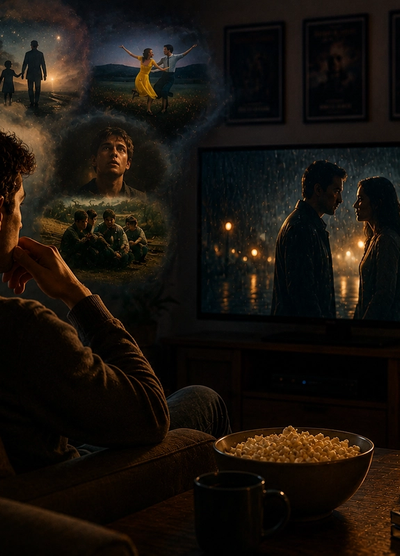
This is one reason nostalgic movies, music, television shows, and trends often become especially popular during difficult times. They provide a sense of stability and emotional warmth.
The past may not actually have been easier, but remembering it can make us feel safer.
We associate the past with youth
For many people, nostalgia is closely connected to age.
When people say that a particular decade was better, they are often describing a period when they themselves were younger. The memories may be tied to childhood, adolescence, early adulthood, first loves, close friendships, or moments when responsibilities felt lighter.
As a result, what people miss is not necessarily the era itself. They miss the stage of life they experienced during that era.
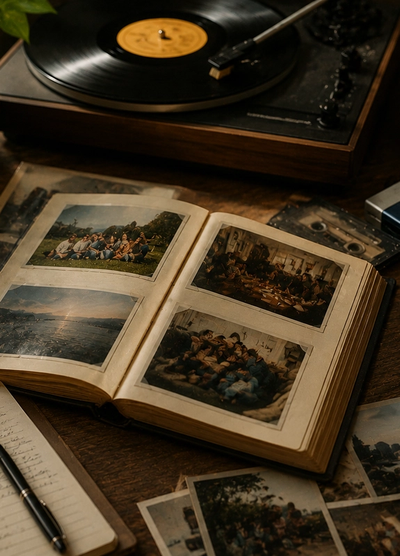
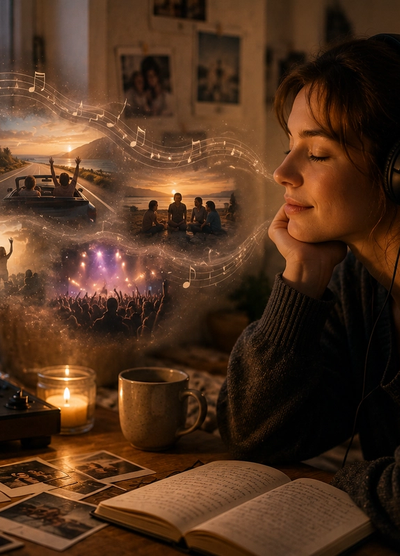
A song, movie, fashion trend, or photograph can instantly reconnect someone with a younger version of themselves, which is often part of its emotional power.
We compare the best of the past to the hardest parts of the present
One of the biggest reasons people romanticize the past is that the comparison is often unfair.
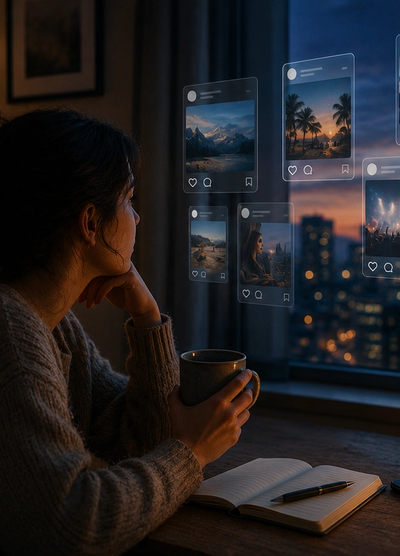
When thinking about previous decades or periods of life, we tend to focus on memorable highlights. When thinking about the present, we focus on current stresses, responsibilities, and uncertainties.
In other words, we compare the best parts of the past to the most difficult parts of today.
It’s no surprise the past often wins that comparison.
A more accurate comparison would include both the joys and challenges of each period, but memory rarely works that way.
The past feels simpler because it’s finished
Life looks much cleaner in hindsight than it does while we’re living it.
When we look back, we already know which challenges were temporary, which decisions worked out, and how certain chapters ended. The uncertainty has disappeared.
The present, however, is full of unanswered questions. We don’t know exactly how situations will unfold or what the future will bring.
Because uncertainty often feels uncomfortable, completed chapters of life can appear simpler and more appealing than they actually were.
The difference is that we’ve already survived them.
Even eras we never lived through can feel nostalgic
One of the most fascinating aspects of nostalgia is that people often romanticize periods they never personally experienced.
Movies, music, photographs, and cultural stories create idealized versions of past decades that emphasize their most attractive features while minimizing their flaws.
A person may long for the fashion of the 1960s, the music of the 1980s, or the perceived simplicity of the 1990s without fully understanding the social, political, or economic challenges that existed during those times.
This kind of nostalgia reveals that people are often searching for a feeling rather than a specific historical reality.
Nostalgia isn’t necessarily a bad thing
Although nostalgia can sometimes distort reality, it isn’t inherently negative.
Research suggests that nostalgic memories can increase feelings of connection, meaning, optimism, and emotional well-being. Remembering positive experiences can remind us of relationships, achievements, and moments that shaped our lives.
Problems arise only when nostalgia prevents us from appreciating the present or creates unrealistic beliefs that everything used to be better.
The healthiest approach is often to enjoy memories while recognizing that every era—including the current one—contains both challenges and opportunities.
The present will become someone’s nostalgia
Perhaps the most interesting thing about nostalgia is that today’s ordinary moments will eventually become tomorrow’s cherished memories.
The music people listen to now, the technology they complain about, the routines they take for granted, and the relationships they experience today may one day be remembered with the same affection people currently reserve for the past.
That perspective can be a useful reminder.
The past often feels magical because we know how the story turned out. The present feels messy because we’re still living it.
But years from now, many of the moments happening today may be exactly the ones we look back on and romanticize.
And that’s part of what makes nostalgia so powerful—and so human.