The Cultural Power of the "It Girl"
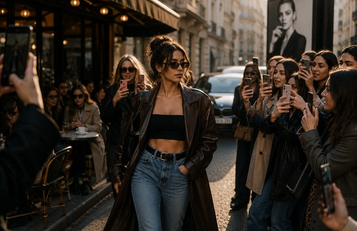
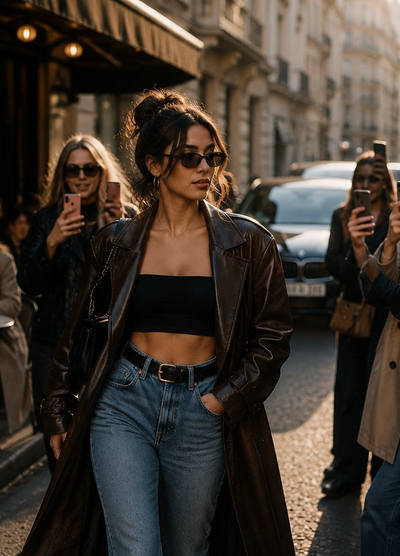
Every generation seems to have one. She’s not necessarily the most talented person in the room, nor the most successful, famous, or conventionally beautiful. Yet somehow everyone is talking about her. Her style is copied, her habits are analyzed, and her influence extends far beyond what she actually says or does.
By Angie Crosby on June 19, 2026

Getty Images
Every generation seems to have one.
She’s not necessarily the most talented person in the room, nor the most successful, famous, or conventionally beautiful. Yet somehow everyone is talking about her. Her style is copied, her habits are analyzed, and her influence extends far beyond what she actually says or does.
This is the power of the “It Girl”—a cultural figure who captures public attention and becomes a symbol of a particular moment in time.
While the term is often associated with fashion and celebrity culture, the phenomenon is about much more than clothes or popularity. The “It Girl” reflects society’s aspirations, values, and obsessions, making her one of the most fascinating cultural figures of the modern era.
The “It Girl” is not a new phenomenon
Although social media has given the concept new visibility, the idea of the “It Girl” has existed for more than a century.
Throughout history, certain women have become cultural icons not simply because of what they accomplished, but because of what they represented. They embodied a mood, a lifestyle, or an ideal that captured the public imagination.
Each era creates its own version. Sometimes the “It Girl” represents glamour and luxury. Other times she symbolizes independence, creativity, rebellion, or effortless cool.
What remains consistent is her ability to influence culture far beyond her immediate circle.
She reflects what society values
The rise of an “It Girl” often says as much about society as it does about the individual herself.
The qualities that make someone culturally influential tend to reflect what people admire, desire, or aspire to at a particular moment. In some periods, that may be elegance and sophistication. In others, it may be authenticity, ambition, wellness, entrepreneurship, or relatability.
The “It Girl” becomes a mirror for collective aspirations.
By examining who society elevates and celebrates, we gain insight into the values and ideals that dominate a specific cultural moment.
Social media changed the game
In the past, becoming an “It Girl” often required access to traditional media, fashion magazines, film, television, or elite social circles.
Today, social media has transformed the process.
Influence can now emerge from anywhere. A person may build an audience through fashion, beauty, fitness, travel, lifestyle content, or simply a compelling personality. Platforms allow followers to feel as though they know influential figures personally, creating a level of intimacy that previous generations of celebrities rarely experienced.
As a result, the modern “It Girl” often feels more accessible, even if her lifestyle remains aspirational.
This accessibility is part of what makes her influence so powerful.
The appeal is often about more than appearance
While physical appearance frequently plays a role in “It Girl” culture, focusing solely on looks misses a larger point.
Many influential women become cultural icons because they represent a particular energy, attitude, or lifestyle. People are often drawn to what they perceive as confidence, creativity, independence, charisma, or authenticity.
Followers may admire how someone dresses, but they are often equally interested in how she lives, thinks, works, and presents herself to the world.
The appeal is rarely just the outfit. It’s the story and identity attached to it.
The pressure behind the image
While being an “It Girl” may appear glamorous, it can also come with significant pressure.
When millions of people are watching, every outfit, decision, relationship, and public appearance can become the subject of discussion. Expectations can quickly become impossible to meet.
The same culture that elevates someone can also become highly critical when trends shift or public opinion changes.
This highlights an important reality: cultural icons are often treated less as individuals and more as symbols onto which people project their hopes, expectations, and frustrations.
The role may appear enviable, but it is rarely simple.
Why people are fascinated by “It Girls”
Part of the fascination comes from storytelling.
Humans naturally gravitate toward people who seem to embody something larger than themselves. The “It Girl” often represents an idealized version of confidence, success, beauty, freedom, or self-expression.
Following her story allows people to imagine possibilities for their own lives. Whether consciously or not, many people use cultural figures as reference points while shaping their own identities.
This explains why conversations about “It Girls” frequently extend far beyond fashion or celebrity news.
They’re really conversations about aspiration.
The real influence goes beyond trends
The most powerful “It Girls” influence more than what people buy or wear. They shape language, beauty standards, lifestyle trends, career ambitions, and cultural conversations.
Some influence lasts only a season. Others leave a lasting mark on how an entire generation thinks and behaves.
The reason is simple: culture is driven by stories, symbols, and shared ideals. The “It Girl” often becomes all three at once.
In the end, the cultural power of the “It Girl” isn’t about being the most beautiful, famous, or successful person in the room. It’s about representing something that people find compelling at a particular moment in time.
And that says as much about us as it does about her.