The Slow Disappearance of the Private Life
There was a time when much of life happened out of view. People went on vacations without documenting every moment. Meals were eaten without photographs. Conversations disappeared when they ended. Personal milestones were shared with a small circle of family and friends rather than hundreds or thousands of followers online.
By Noe Reyna on June 19, 2026

Getty Images
There was a time when much of life happened out of view.
People went on vacations without documenting every moment. Meals were eaten without photographs. Conversations disappeared when they ended. Personal milestones were shared with a small circle of family and friends rather than hundreds or thousands of followers online.
Today, that reality feels increasingly distant.
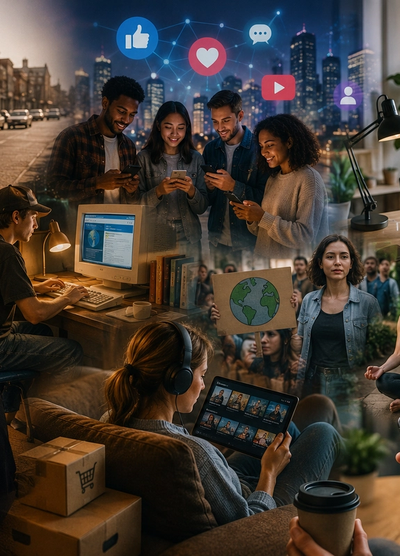
Social media, smartphones, and digital culture have transformed not only how we communicate but also how we think about privacy itself. While most people still value having personal boundaries, the line between public and private life has become more blurred than ever before.
The change happened gradually, which may be why many people barely noticed it happening at all.
Sharing has become the default
One of the biggest cultural shifts of the past two decades is that sharing has become the norm.
Platforms encourage people to post updates, photos, opinions, achievements, routines, and experiences in real time. What was once considered personal information is now often viewed as content.
For many people, documenting life feels almost automatic. A meal, a concert, a vacation, or a career achievement can seem incomplete until it has been shared online.
This doesn’t necessarily mean people want attention. Often, sharing has simply become a normal way of participating in modern social life.
The challenge is that constant sharing can slowly change our relationship with privacy.
The audience is always present
In the past, most experiences happened solely for the people involved.
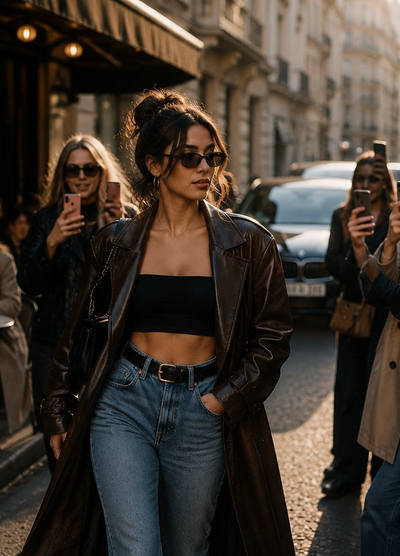
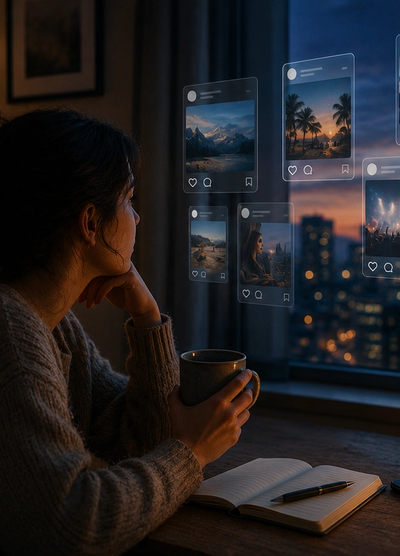
Today, many moments occur with an invisible audience in mind. Whether consciously or not, people often consider how a photo will appear online, how a story will be received, or how others might respond to a particular post.
This shift can subtly influence behavior.
Experiences become something we live through and something we potentially present to others. The distinction between personal memory and public content becomes less clear.
As a result, even private moments can begin to feel performative.
Technology remembers everything
Another reason private life has changed is that the internet rarely forgets.
Conversations, photographs, opinions, and personal updates that once would have disappeared naturally can now remain accessible for years. Digital archives allow people to revisit moments long after they occurred.
While this can be useful, it also changes how personal history is stored and shared.
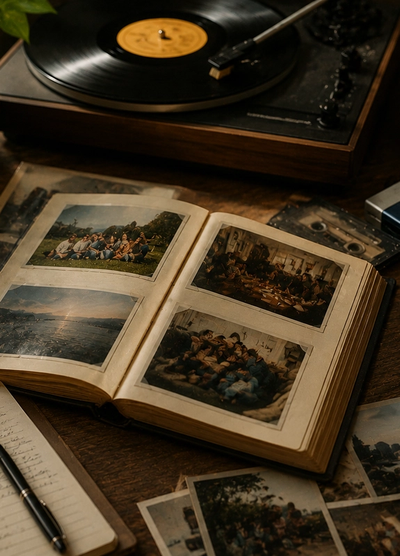
Past generations often left behind photo albums and memories. Modern generations leave behind digital records that may be searchable, shareable, and permanent in ways previous generations never experienced.
Privacy is no longer just about what happens today. It’s also about what remains visible tomorrow.
We know more about strangers than ever before
The internet has created a strange paradox.
People often know an extraordinary amount about individuals they have never met. Through social media, podcasts, videos, and online content, it is possible to learn about someone’s habits, opinions, relationships, career, travels, and daily routines.
This level of access can create a sense of familiarity that would have been impossible in earlier eras.
At the same time, it raises questions about how much of ourselves we truly want to make publicly available. The boundary between public figure and private individual has become increasingly difficult to define.
Privacy is becoming a luxury
In some ways, privacy has become something people must actively protect rather than automatically expect.
Maintaining a private life often requires conscious choices: deciding what not to share, limiting access to personal information, setting digital boundaries, and resisting the pressure to document every experience.
Ironically, the ability to keep parts of life private can now feel unusual.
Yet many people report that some of their most meaningful experiences are the ones that remain largely unseen by others. Moments shared only with close friends, family, or even just themselves often carry a different kind of value.
Not everything gains meaning by becoming public.
The desire for privacy is returning
Interestingly, there are signs that some people are beginning to move in the opposite direction.
As social media has matured, many individuals have become more selective about what they share. Private group chats, close-friends lists, smaller online communities, and digital boundaries have grown increasingly popular.
Some people are choosing to post less frequently. Others are keeping important milestones offline altogether.
This shift suggests that after years of constant visibility, many individuals are rediscovering the appeal of privacy.
The desire to have experiences that exist solely for personal enjoyment may be stronger than ever.
Not every moment needs an audience
The disappearance of private life did not happen because people stopped valuing privacy. It happened because technology made sharing easier, faster, and more rewarding than ever before.
Yet privacy still serves an important purpose.
Private moments allow people to reflect, experiment, make mistakes, build relationships, and experience life without the pressure of observation or performance. They create space for authenticity in a world increasingly shaped by visibility.
The goal isn’t to reject technology or stop sharing entirely. It’s to remember that not every experience needs to become content.
Some moments are valuable precisely because they belong only to the people who lived them.
And in an age of constant exposure, that kind of privacy may be more meaningful than ever.