The Cultural Trends That Shaped How We Live Today
The way we live today didn’t appear overnight. Many of the habits, values, technologies, and social norms that define modern life are the result of cultural shifts that have unfolded over decades. Some of these changes happened gradually, while others transformed society at remarkable speed.
By Elyse Russo on June 19, 2026
Getty Images
The way we live today didn’t appear overnight. Many of the habits, values, technologies, and social norms that define modern life are the result of cultural shifts that have unfolded over decades. Some of these changes happened gradually, while others transformed society at remarkable speed.
From the rise of the internet to changing attitudes toward work and identity, cultural trends have shaped how we communicate, shop, learn, form relationships, and spend our free time. Understanding these trends helps explain why the world looks the way it does today.
Here are some of the most influential cultural movements that continue to affect everyday life.
The rise of digital life
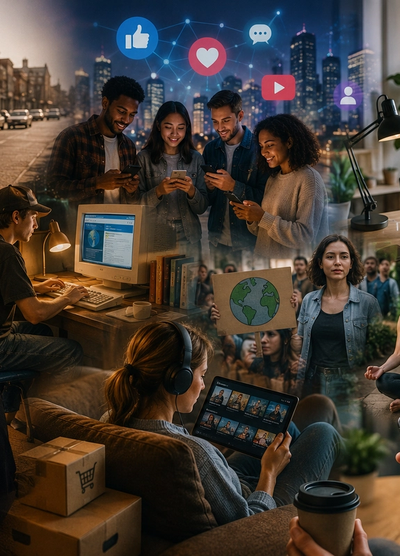
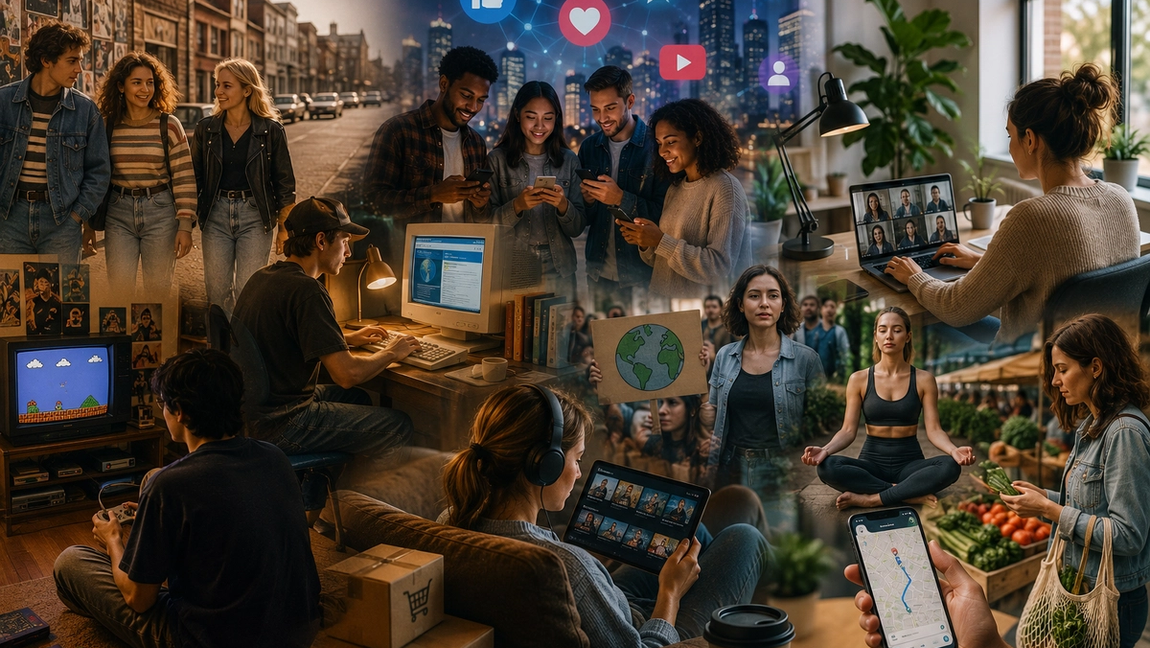
Perhaps no cultural trend has had a greater impact on modern society than the shift toward digital living. The internet transformed communication, information sharing, entertainment, education, and commerce in ways that would have seemed unimaginable just a few decades ago.
Today, people can work remotely, access vast amounts of knowledge instantly, maintain friendships across continents, and consume entertainment on demand. Smartphones have made digital connectivity a constant part of daily life, blurring the lines between the online and offline worlds.
This shift has created extraordinary convenience while also raising new questions about privacy, attention, and the role technology plays in human relationships.
The growing focus on individual identity
Modern culture places a much stronger emphasis on personal identity and self-expression than previous generations often did.
People increasingly view clothing, careers, hobbies, social media profiles, and lifestyle choices as ways of expressing who they are. There is also greater recognition of diverse backgrounds, experiences, and perspectives.
This cultural shift has encouraged many individuals to pursue paths that align more closely with their personal values and interests rather than simply following traditional expectations.
While debates continue about the balance between individuality and community, there is little doubt that self-expression has become a defining feature of contemporary culture.
The transformation of work culture
Attitudes toward work have changed significantly over the past few decades.
For much of the twentieth century, stable long-term employment with a single company was often viewed as the ideal career path. Today, many workers prioritize flexibility, purpose, work-life balance, and professional development alongside salary and job security.
Remote work, freelance careers, entrepreneurship, and hybrid working models have become increasingly common. The idea that productivity should always come before personal well-being is also being challenged more openly than in the past.
These shifts have reshaped expectations about what a successful career looks like.
The influence of social media
Social media has become one of the most powerful cultural forces of the modern era.
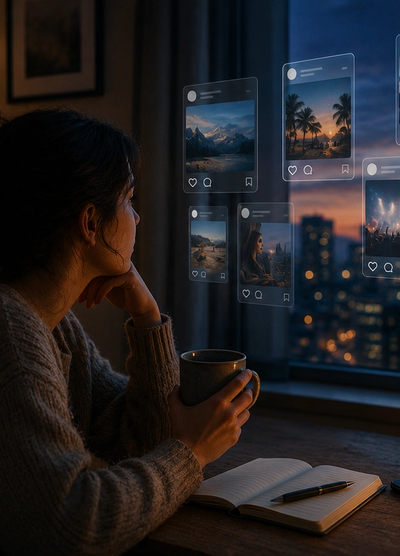
Platforms allow individuals to share experiences, build communities, follow global events, and participate in conversations that were once limited to traditional media organizations. Trends can spread across the world within hours, influencing fashion, language, politics, entertainment, and consumer behavior.
At the same time, social media has changed how people present themselves and interact with others. It has created new opportunities for connection while also contributing to discussions about mental health, comparison culture, and digital well-being.
Its influence can be seen in nearly every aspect of contemporary life.
The growing awareness of mental health
For many years, conversations about mental health were often limited or stigmatized. Today, awareness of emotional well-being has become far more widespread.
Discussions about stress, anxiety, burnout, therapy, self-care, and emotional resilience are now common in workplaces, schools, media, and everyday conversations. More people recognize the importance of seeking support when needed and treating mental health as an essential part of overall well-being.
This cultural shift has encouraged greater openness and helped reduce some of the stigma that once surrounded these topics.
The move toward conscious consumption
Consumers today are often more interested in how products are made, where they come from, and what impact they have on society and the environment.
Questions about sustainability, ethical sourcing, waste reduction, and responsible business practices have become increasingly important. Many people now consider factors beyond price and convenience when making purchasing decisions.
While consumer habits vary widely, there is a growing expectation that businesses should be transparent and accountable for their broader impact.
This trend continues to influence industries ranging from fashion and food to technology and travel.
Why cultural trends matter
Cultural trends are more than passing fads. They influence the values, behaviors, and assumptions that shape everyday life.
Many of the things people now consider normal—from remote work and online shopping to discussions about mental health and personal identity—would have looked very different a generation ago. Cultural shifts help explain not only how society changes but also why those changes happen.
By understanding these trends, we gain a clearer picture of the forces shaping our world.
The story of modern life is still being written
Culture is constantly evolving. New technologies, ideas, challenges, and generations will continue to influence how people live, work, and connect with one another.
The trends that shaped today’s world were once new and uncertain themselves. In the same way, many of the developments we see now may become defining features of everyday life in the future.
Looking back at cultural change reminds us that society is never static. The way we live today is the result of countless shifts in values, habits, and perspectives—and that process is still unfolding.