How to Get Better Sleep (Without Quitting Your Phone)
If you’ve ever been told that the secret to better sleep is putting your phone away hours before bed, you’re not alone. While reducing screen time can certainly help, it’s not always realistic. For many people, phones are part of everyday life—from staying in touch with family and friends to reading, listening to music, or winding down after a busy day.
By Angie Crosby on June 18, 2026
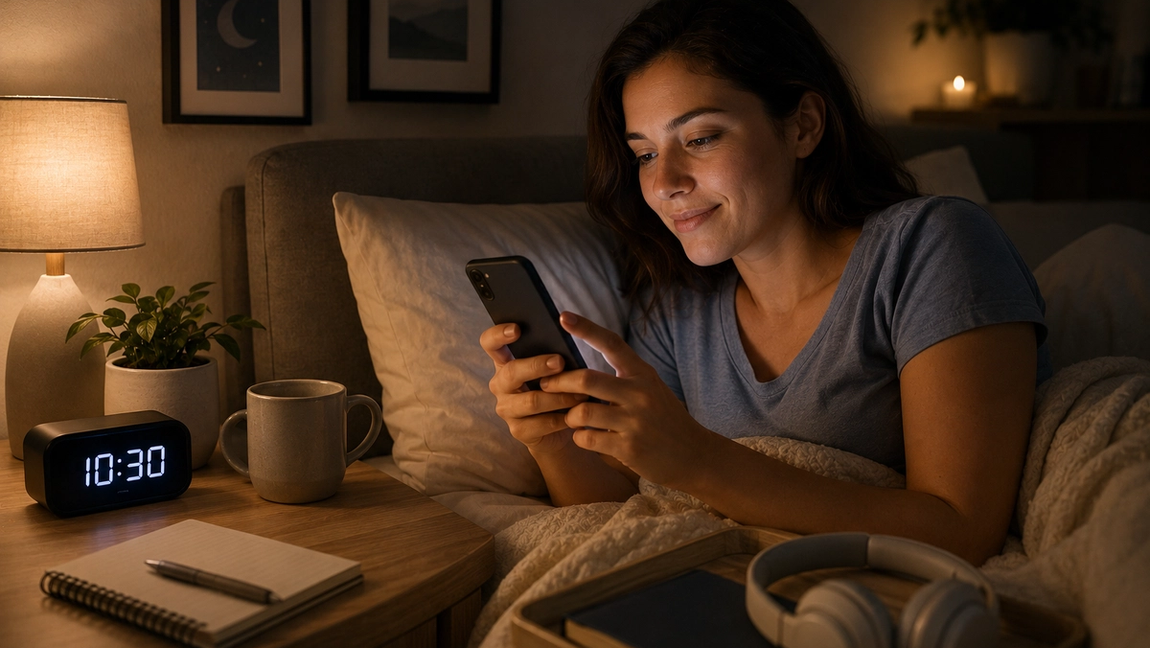
Getty Images
If you’ve ever been told that the secret to better sleep is putting your phone away hours before bed, you’re not alone. While reducing screen time can certainly help, it’s not always realistic. For many people, phones are part of everyday life—from staying in touch with family and friends to reading, listening to music, or winding down after a busy day.
The good news is that improving your sleep doesn’t require giving up your phone entirely. Small changes to your habits can make a significant difference in how quickly you fall asleep and how rested you feel the next day.
Understand why phones affect sleep
The main reason phones can interfere with sleep is not simply the device itself—it’s how and when we use it.
Bright screens can reduce the production of melatonin, the hormone that helps regulate sleep. At the same time, scrolling through social media, reading stressful news, or responding to work messages can keep your brain alert when it should be preparing to rest.
However, this doesn’t mean all phone use is harmful. The goal is to use your device in a way that supports sleep rather than disrupts it.
Make your phone work for you
Most modern smartphones include features specifically designed to reduce sleep disruption.
Enable night mode or blue-light filters in the evening. Lower your screen brightness as bedtime approaches. Many devices also offer “sleep focus” or “do not disturb” settings that silence unnecessary notifications during the night.
These simple adjustments can reduce stimulation and help signal to your brain that it’s time to wind down.
If possible, avoid checking emails, work chats, or anything likely to cause stress during the hour before bed.
Create a better bedtime routine
A consistent bedtime routine is often more important than eliminating screens completely.
Try spending the last 30 to 60 minutes before sleep doing calming activities. You can still use your phone, but choose content that helps you relax rather than keeps you engaged.
Good options include:
- Listening to calming music
- Playing a guided meditation
- Reading an e-book
- Listening to an audiobook
- Following a relaxation or breathing exercise
The key is to avoid activities that trigger strong emotions, endless scrolling, or the urge to stay awake “just a few more minutes.”
Set boundaries around nighttime scrolling
Many people don’t lose sleep because they use their phones. They lose sleep because they lose track of time.
Social media platforms, videos, and online content are designed to keep our attention. What starts as five minutes can easily become an hour.
Consider setting a personal cutoff time each night. You might decide that after 10:30 p.m., your phone is only for music, reading, or sleep-related apps.
You can also use app timers or screen-time limits to help create boundaries without completely disconnecting.
Improve the rest of your sleep environment
Your phone is only one part of the sleep equation. Other factors can have an even greater impact on sleep quality.
Keep your bedroom cool, dark, and quiet whenever possible. Maintain a consistent sleep schedule, even on weekends. Avoid large meals, excessive caffeine, and intense exercise too close to bedtime.
Exposure to natural sunlight during the day can also help regulate your body’s internal clock, making it easier to fall asleep at night.
When these habits are in place, occasional phone use becomes much less disruptive.
Focus on progress, not perfection
Many sleep recommendations sound all-or-nothing: no screens, no late nights, no exceptions. In reality, better sleep often comes from small, sustainable improvements rather than strict rules.
You don’t need to throw your phone across the room or abandon technology completely. Instead, focus on using it more intentionally, especially during the hours before bed.
A few simple adjustments—dimming your screen, limiting notifications, choosing calming content, and maintaining a consistent bedtime routine—can help you sleep better while still keeping your phone in your life.
The goal isn’t perfection. It’s creating habits that allow you to wake up feeling more rested, energized, and ready for the day ahead.