The Real Cost of Being Always Online
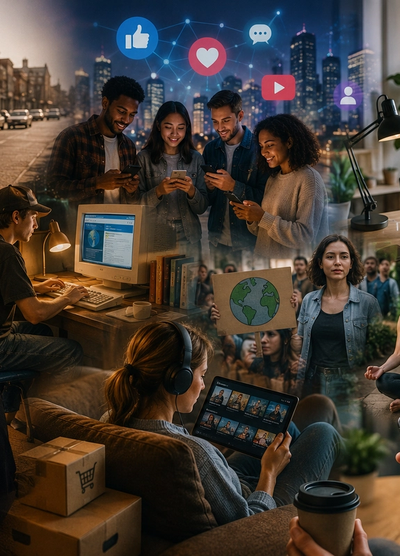
Being connected has never been easier. Smartphones, social media, messaging apps, and constant internet access mean we can communicate, work, learn, and entertain ourselves from almost anywhere. For many people, being online has become such a normal part of daily life that it’s difficult to imagine an alternative.
By Angie Crosby on June 19, 2026

Getty Images
Being connected has never been easier. Smartphones, social media, messaging apps, and constant internet access mean we can communicate, work, learn, and entertain ourselves from almost anywhere. For many people, being online has become such a normal part of daily life that it’s difficult to imagine an alternative.
But while constant connectivity offers undeniable benefits, it also comes with costs that are easy to overlook. These costs don’t usually appear as a monthly bill or a visible expense. Instead, they often show up in more subtle ways—in our attention, relationships, productivity, sleep, and overall well-being.
The question is no longer whether technology is useful. It’s whether we are giving it more of our time and energy than we realize.
The cost of fragmented attention
One of the biggest consequences of being constantly online is the effect it has on attention.
Notifications, messages, emails, videos, and social media updates create a steady stream of interruptions throughout the day. Even brief distractions can make it difficult to maintain focus on important tasks.
Many people find themselves switching between apps, conversations, and responsibilities without fully concentrating on any one thing. Over time, this constant shifting of attention can leave us feeling mentally exhausted despite not accomplishing as much as we’d hoped.
The ability to focus deeply has become increasingly valuable precisely because it is becoming increasingly rare.
The cost of always being available
Technology allows us to stay connected to work, family, friends, and social networks at all times. While this can be convenient, it can also create the feeling that we should always be reachable.
Work emails arrive after office hours. Group chats continue late into the evening. Notifications appear during meals, vacations, and moments that were once free from digital interruptions.
As a result, many people struggle to fully disconnect and recharge. The boundary between personal time and professional responsibilities becomes less clear.
Being available all the time may seem productive, but it often comes at the expense of rest and recovery.
The cost of comparison
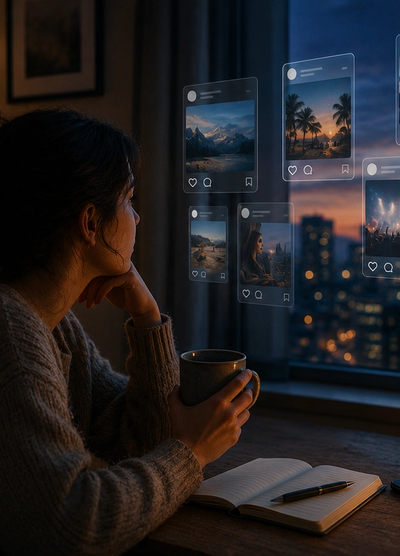
Social media provides unprecedented access to other people’s lives.
While these platforms can foster connection and inspiration, they also make comparison almost unavoidable. It’s easy to compare your career, appearance, relationships, finances, or achievements to carefully curated highlights from someone else’s life.
The problem is that comparisons are often based on incomplete information. People typically share their successes far more often than their struggles.
Even when we know this intellectually, constant exposure to idealized images and lifestyles can still influence how we feel about ourselves.
Over time, comparison can quietly erode satisfaction and create unrealistic expectations.
The cost of lost downtime
For much of human history, moments of boredom were unavoidable.
People waited in lines, sat quietly during commutes, or spent time with their own thoughts. Today, smartphones fill many of those gaps almost instantly.
While there is nothing wrong with occasional entertainment, constantly consuming content can reduce opportunities for reflection, creativity, and mental rest.
Some of our best ideas emerge during unstructured moments when the mind has space to wander. By filling every spare minute with digital stimulation, we may be losing something valuable without realizing it.
Downtime isn’t wasted time. It’s often when the brain processes experiences and generates new insights.
The cost to relationships
Technology helps people stay connected across distances, but it can also create distractions during face-to-face interactions.
Many people have experienced conversations interrupted by notifications, meals shared with phones on the table, or gatherings where attention is divided between the people present and the digital world.
Relationships tend to thrive on presence and attention. When devices constantly compete for those resources, meaningful connection can become more difficult.
Being physically present isn’t always the same as being mentally present.
Sometimes the most valuable thing we can offer another person is our undivided attention.
The cost to sleep and well-being
For many people, screens are the first thing they see in the morning and the last thing they see before bed.
Late-night scrolling, constant notifications, and endless streams of content can interfere with healthy sleep habits. Even when technology doesn’t directly affect sleep, it can contribute to mental overstimulation that makes it harder to relax.
Quality sleep plays a critical role in physical health, emotional regulation, concentration, and overall well-being. When digital habits consistently interfere with rest, the effects can extend into every area of life.
The impact may be gradual, but it is often significant.
Connection is valuable, but balance matters
The solution is not abandoning technology or disconnecting completely from the online world. For most people, that isn’t realistic or necessary.
The challenge is finding balance.
Technology works best when it serves our goals rather than constantly directing our attention. Creating boundaries around screen time, protecting moments of rest, limiting unnecessary notifications, and making space for offline experiences can help restore that balance.
The goal isn’t to use technology less for the sake of using it less. It’s to ensure that being online doesn’t prevent us from fully experiencing the rest of our lives.
Be intentional with your attention
The real cost of being always online isn’t measured in data usage or subscription fees. It’s measured in the moments, attention, and energy we unknowingly give away.
The internet offers extraordinary opportunities for learning, communication, and connection. But like any powerful tool, it works best when used intentionally.
By becoming more aware of how technology affects our daily lives, we can enjoy its benefits without allowing it to consume our time, focus, and relationships.
In the end, the most valuable resource isn’t internet access. It’s attention—and where we choose to spend it.